Lens tests
Old glass before final grammar.
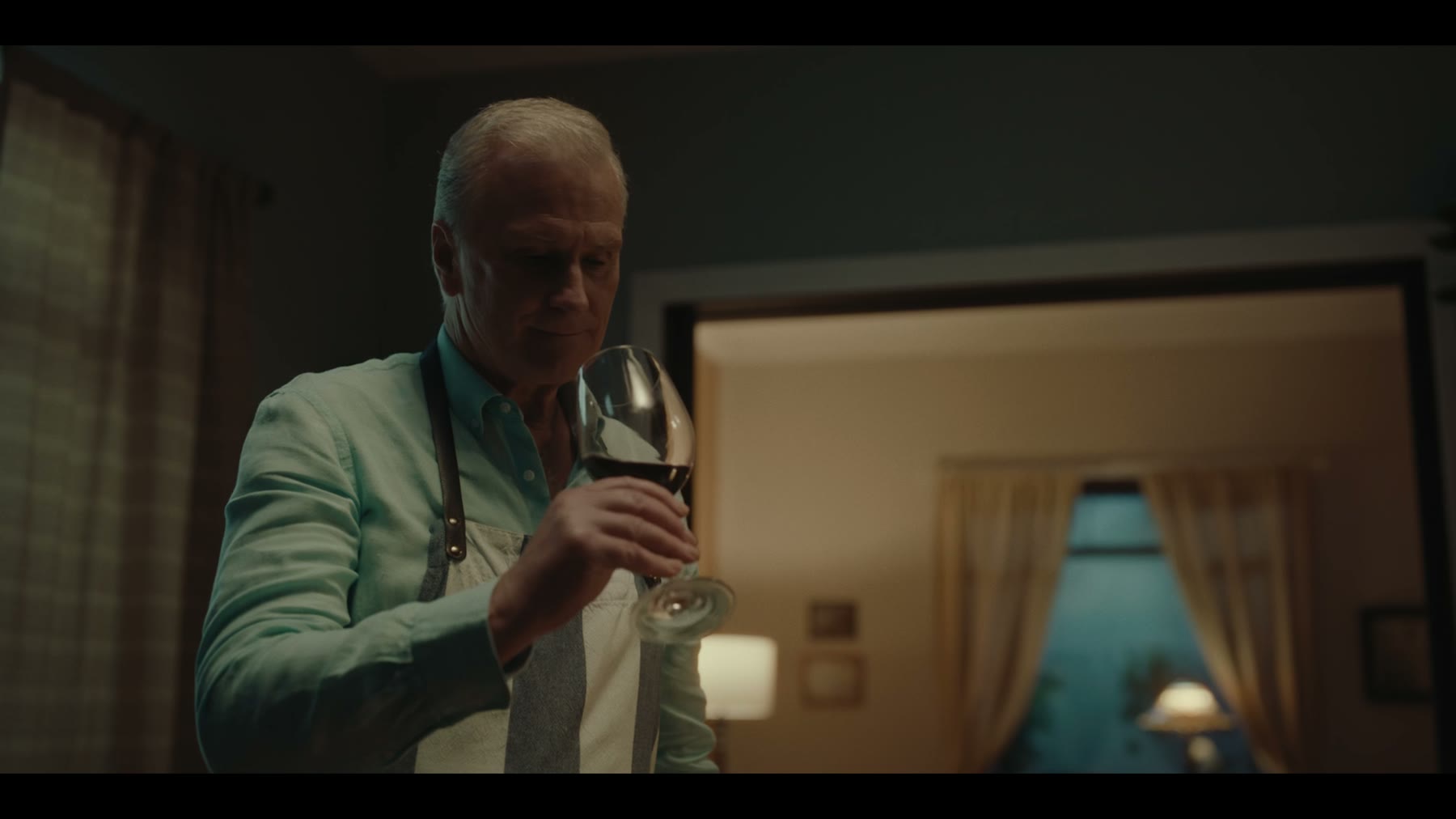
The 28mm Berolina and 58mm Helios tests helped decide how close, imperfect and intimate the images could feel before the film moved fully into black and white.
The film
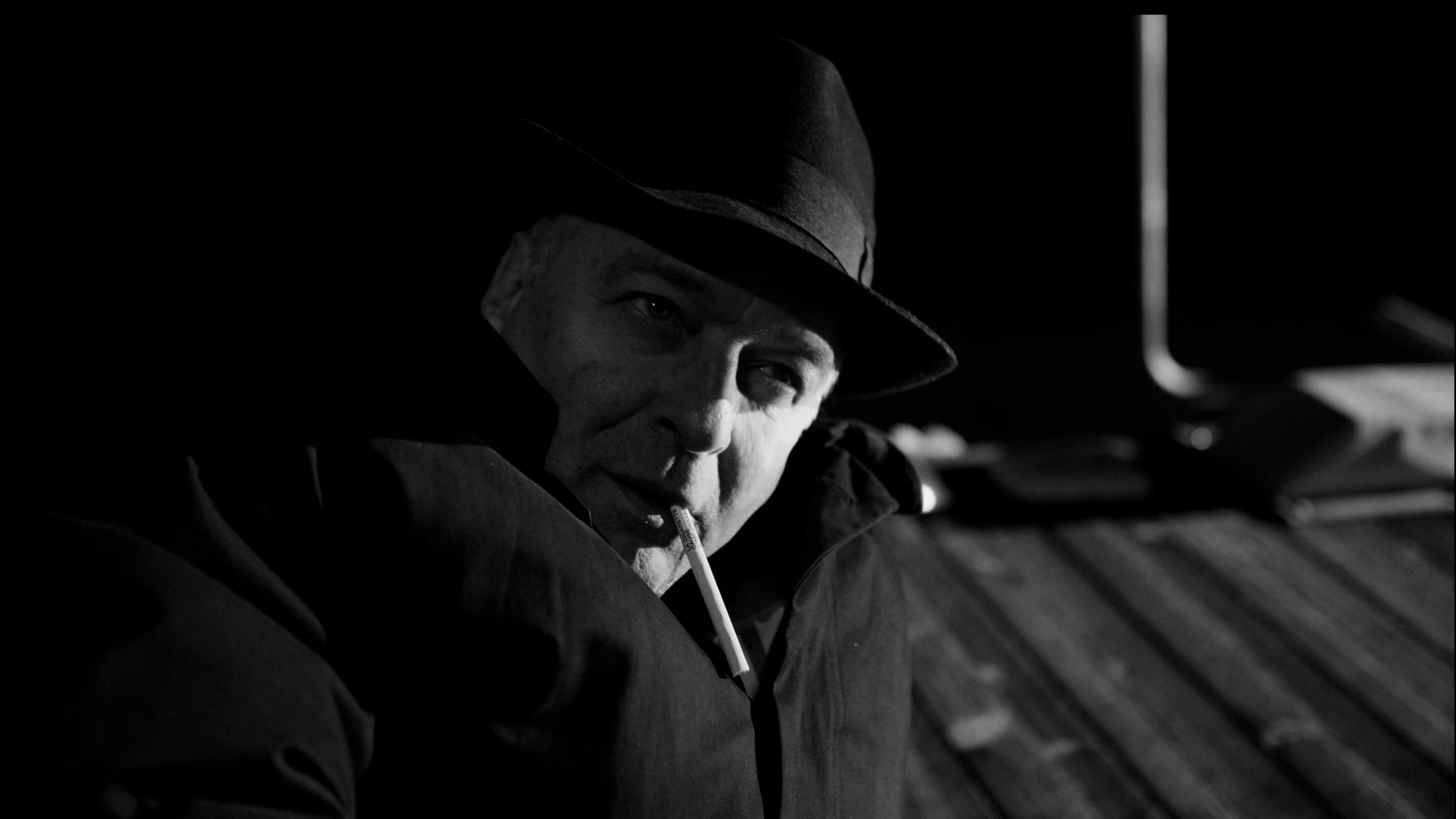
A neo-noir narrative project in post-production, featuring Roark Critchlow (Days of Our Lives, Pretty Little Liars, V) with Hannah Krostewitz, and built around light, shadow, dark humour and mood as the central language of the film.
The approach
The project was built through tests before it became a shoot: BNA location studies, 28mm and 58mm lens comparisons, black-and-white contrast checks, smoke, practical light and rehearsal with the actors. James is shaping the final film as director, producer, director of photography and editor, using controlled contrast, selective movement and restrained cutting so the noir style feels discovered in the locations instead of applied afterward.
In post-production after principal photography and pickup days from late 2024 through spring 2025. Public release details will be added when the film is ready.
Project details
Additional credits
Development
Last of a Dying Breed was not designed by finding a filter after the fact. The look came out of testing: what Roark's face could hold in hard light, how old glass behaved in close quarters, what the BNA locations gave back at night, and where black-and-white contrast could turn a practical location into a world.
The prep became part of the authorship. James tested lenses, locations, smoke, blocking and black-and-white references before principal photography, then carried those decisions into the shoot instead of asking post-production to invent the mood later. The result is a project where the roughness is intentional: weather, texture, practical limitations and small crew decisions all became part of the visual grammar.
That is the part worth showing here. The finished film sells the story, but the process shows the eye: the porch tests, the bar studies, the truck reflections, the night exterior smoke and the dock work all point to a filmmaker trying to find the frame before asking actors and crew to stand inside it.
Lens tests
The 28mm Berolina and 58mm Helios tests helped decide how close, imperfect and intimate the images could feel before the film moved fully into black and white.
Location research
BNA research days tested whether real spaces could carry the noir language: reflections, doorways, bars, exterior pockets and small pieces of city texture.
Light and smoke
Night exteriors were shaped with hard backlight, smoke, practical surfaces and measured restraint so the frame could feel physical before the edit touched it.
Character prep
Hannah Krostewitz's material moved through hair, makeup, wardrobe, monitor checks and a quieter bedroom setup where the noir language had to become more intimate without losing edge.
Pickup days
Late-2024 and spring-2025 pickup work gave the project room to sharpen ideas, add texture and solve the story through images instead of only dialogue.
Behind the scenes
Lens tests, location studies, Hannah's character prep, monitor checks and pickup-day texture from the long path between idea and finished black-and-white frame.

Keep watching
Watch film