
 View project
 Back to journal
Director Notes ·
Why the image has to feel human
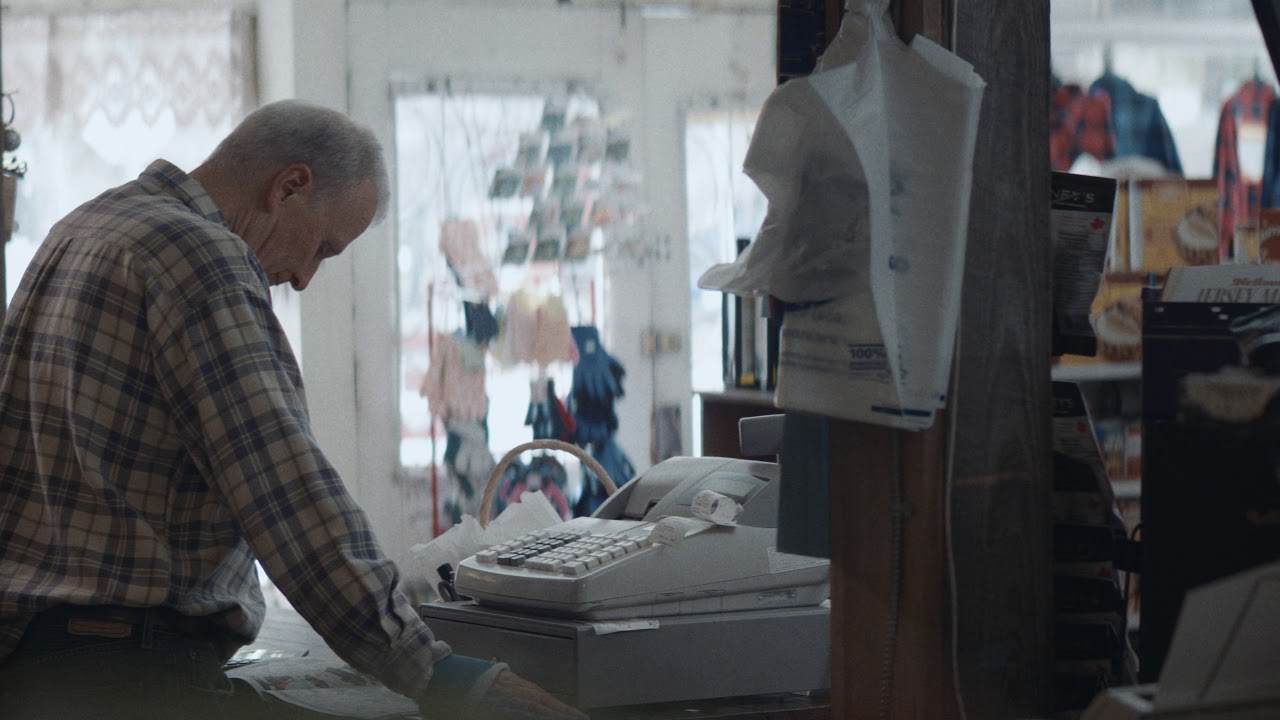
I care about the frame, but only if the person still feels alive inside it. The image can be controlled and still leave room for something human.
I usually know it before the lens.
Before I think about the camera, I am usually watching the person, the room and the pressure around the scene. If that part feels false, the lens will not save it.
The frame has to begin with attention. Where is the person holding tension? What is the room doing to them? What does the image need to leave alone?
Quiet is not the same as small.
I like restraint because it gives the moment a chance to stay alive. More movement, more light or more coverage can help, but it can also flatten the thing I was trying to protect.
When an actor, musician, dancer or documentary subject is carrying the centre of the piece, I try to keep the camera from talking over them.

The gear cannot become the subject.
The equipment matters because it lets the day work. After that, it has to get out of the way.
My favourite frames usually come from a smaller number of stronger decisions: where the light falls, what stays in shadow, how close the camera can be, and when the frame should simply hold.
Related work