 View project
 Back to journal
Performance ·
Filming performance without flattening it
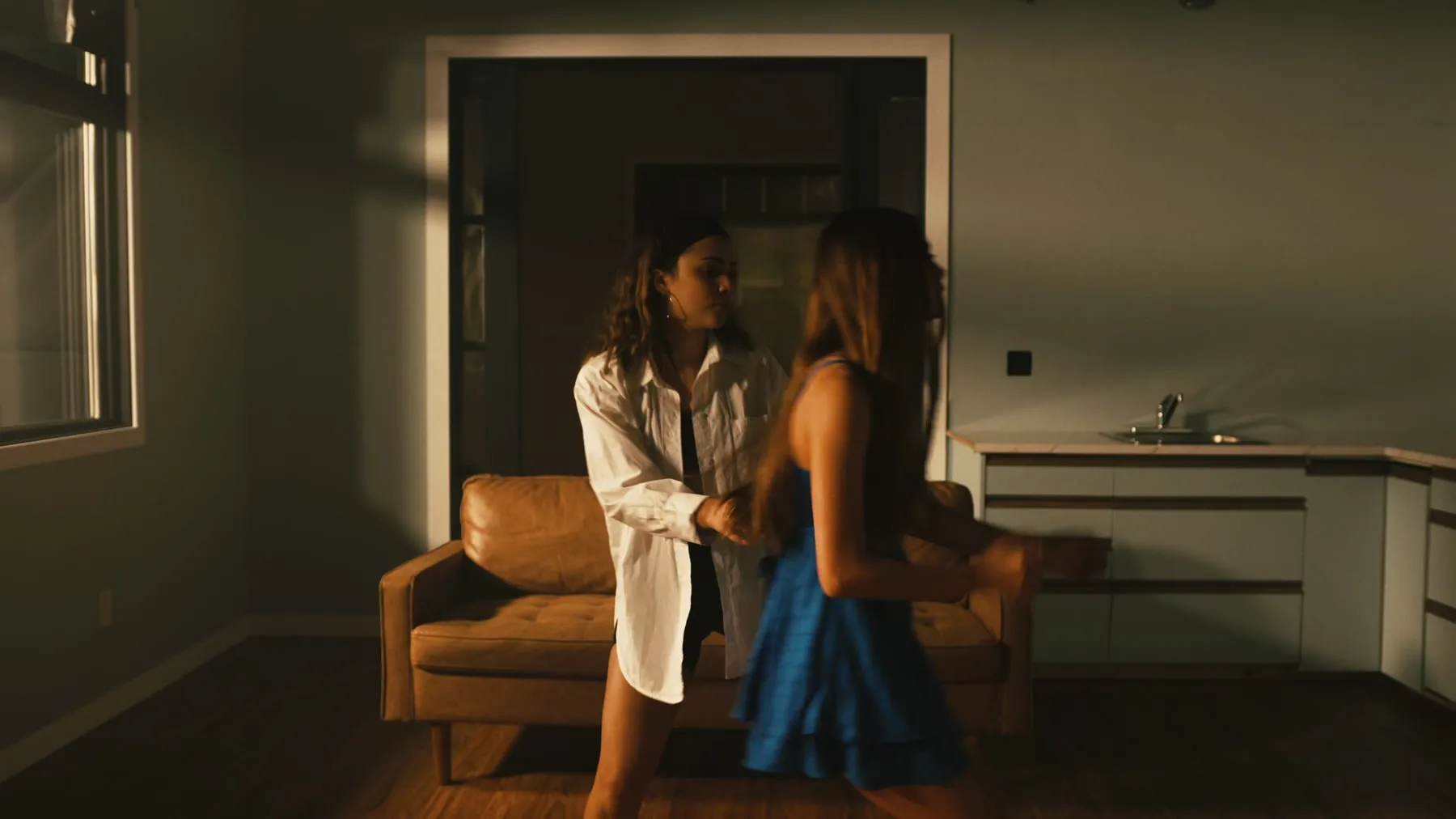
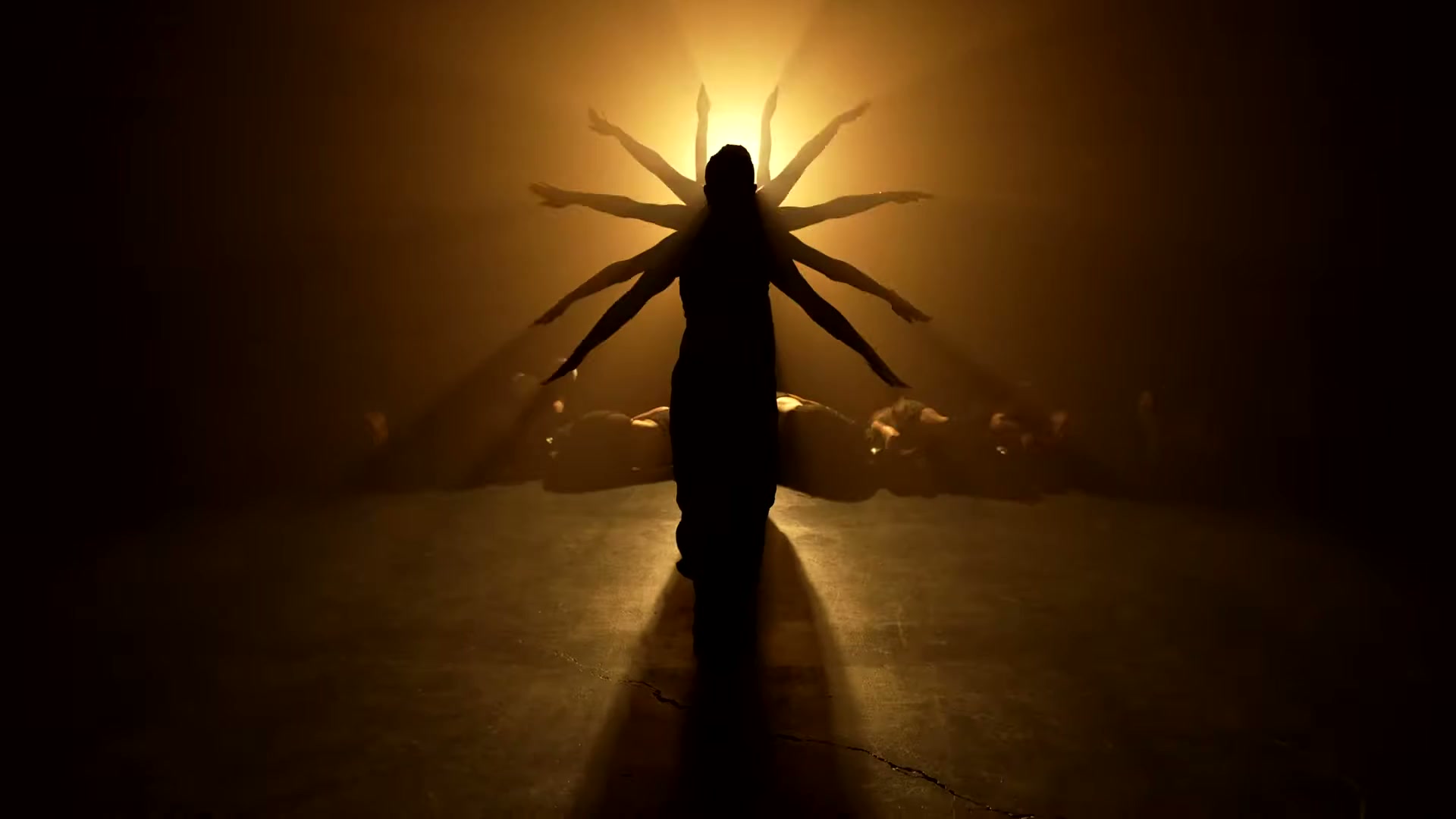
Dance and music films need more than coverage. I want the camera to feel close to the rhythm without taking the performance away from the person doing it.
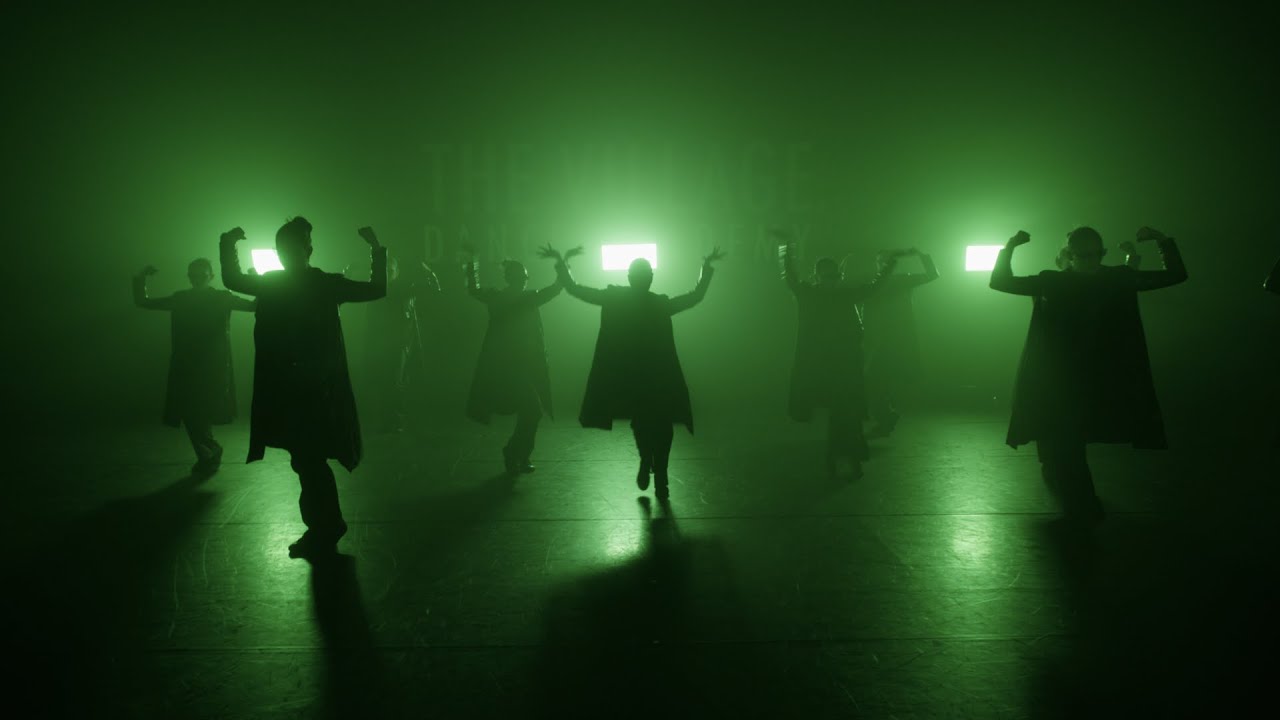
I try not to move the camera just because I can.
Performance work can be damaged by a camera that tries to make every moment about itself. The movement has to come from the piece: the choreography, the rhythm, the breath, the spacing and the shape of the room.
When the camera moves well, it does not replace the performance. It reveals the pressure inside it and then gets out of the way.
A filmed performance is not only a record of the steps.
Straight documentation can be useful, but I usually want a more personal relationship to the piece. The image can choose when the room expands, when a face matters and when the body needs the whole frame.
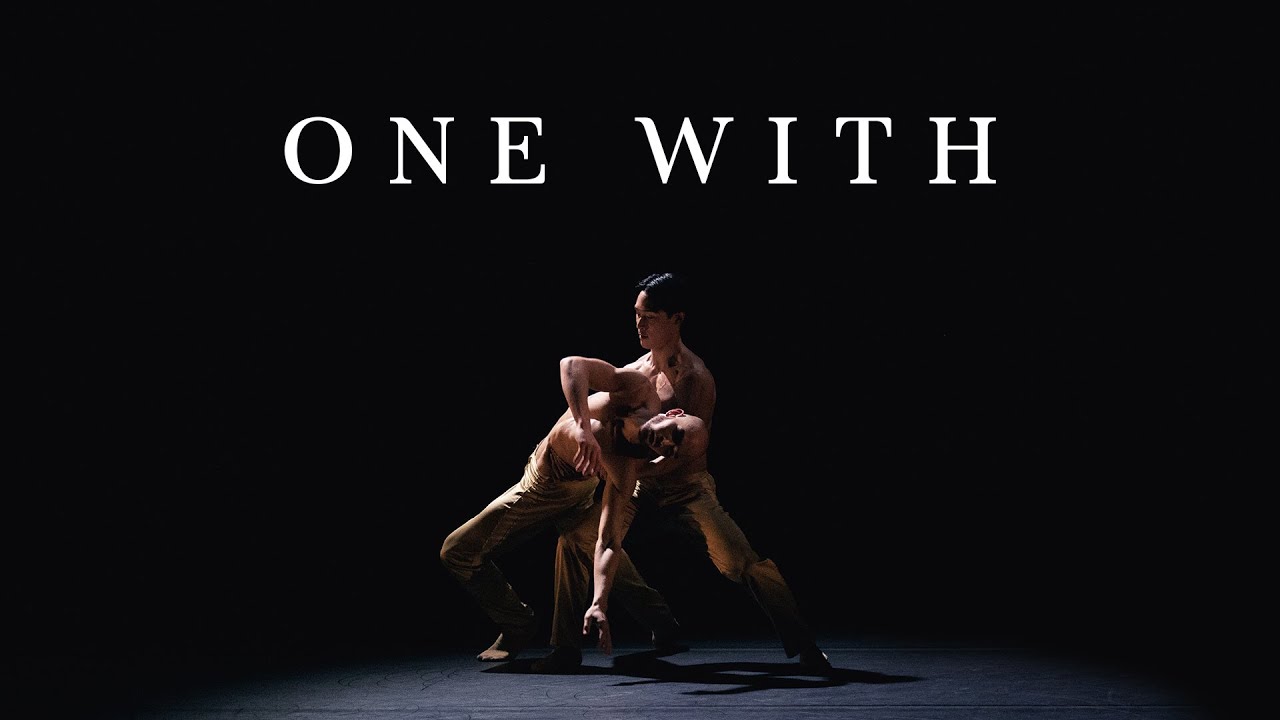
That balance is especially important with dance. Too many cuts can flatten the physical work. Too much distance can flatten the emotion. The film has to hold both.
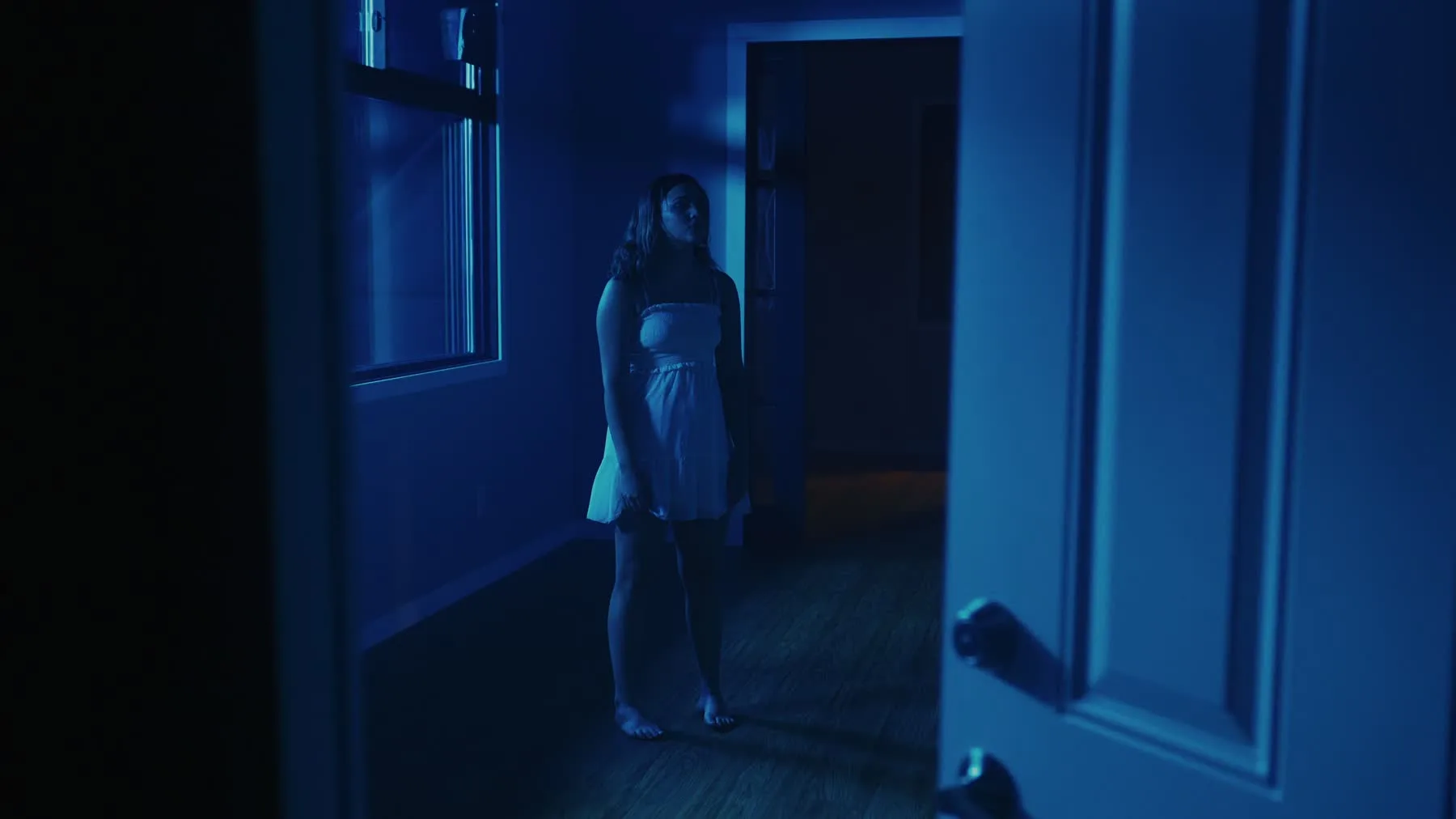
In the edit, I try to cut with the body.
Editing performance is rhythm work. A cut should feel like it belongs to the music, the step, the gesture or the emotional turn, not just to the desire for visual variety.
That is why the strongest performance films often feel simple after the fact. The discipline is hidden. You feel the piece instead of the machinery around it.
Related work